When we think about caring for our ageing loved ones, our minds often jump straight to physical health—managing prescriptions, preventing falls, or ensuring they are eating well. However, mental well-being is just as vital to a person’s quality of life as their physical fitness.
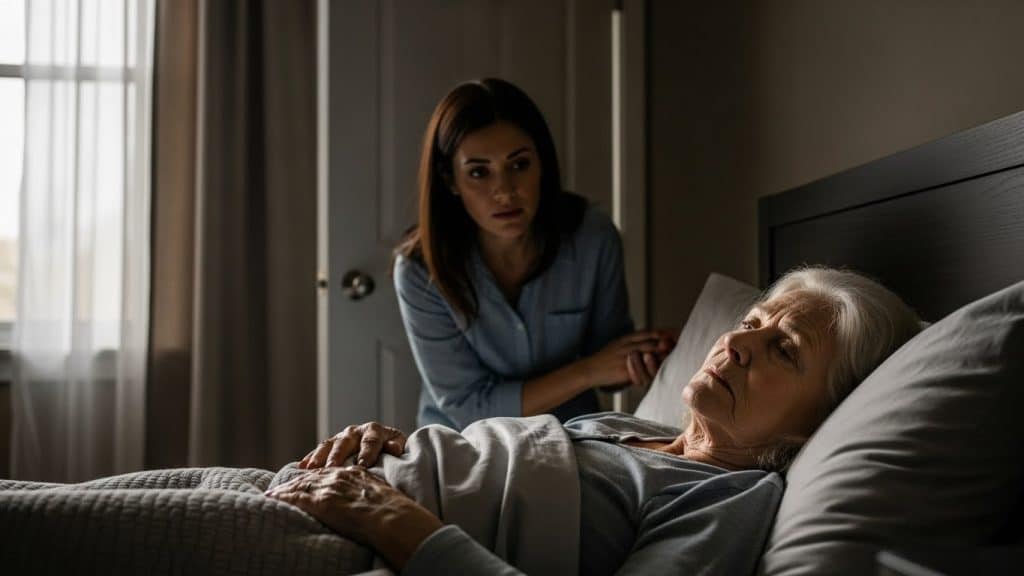
In the UK, it is estimated that a significant number of older adults live with undiagnosed depression or anxiety, often dismissed as a “normal” part of getting older. It doesn’t have to be that way. Here is how you can help enhance the mental health of the seniors in your life.
1. Recognising the Subtle Signs
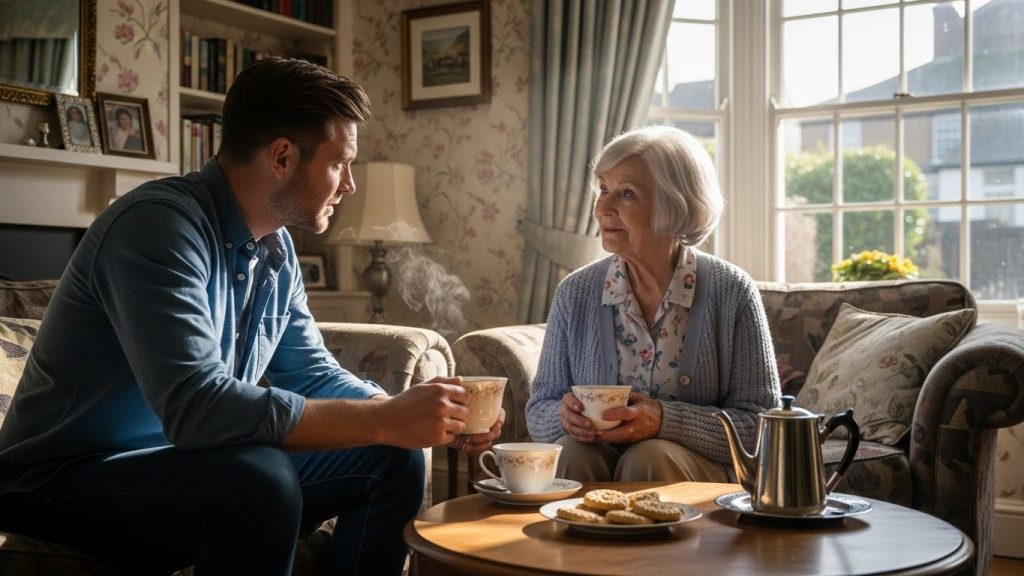
Sometimes, the best support you can offer is a listening ear. Many seniors feel like they have become a “burden” or that their stories no longer matter.
- Create a routine: A regular phone call or a weekly visit for a “cuppa” provides a sense of security and something to look forward to.
- Be present: When they speak, give them your full attention. Acknowledging their feelings—even if you can’t “fix” the problem—goes a long way in making them feel valued.
2. The Power of "Active Listening"
The word “Care” can feel heavy and clinical. To a older person, it sounds like “the end of independence.”
Try reframing the support as a lifestyle upgrade rather than a medical necessity.
- Instead of “Carer,” try “Personal Assistant” or “Home Helper.”
- Instead of “Assessment,” try “Home Safety Review.”
- Instead of “Needs,” talk about “Preferences.”
3. Staying Physically and Mentally Active
The link between a healthy body and a healthy mind is undeniable. Encouraging gentle movement can release endorphins that naturally boost mood.
- Gentle Movement: A short stroll in the local park or some light gardening can work wonders. Even seated yoga can be effective for those with limited mobility.
- Cognitive Stimulation: Jigsaw puzzles, crosswords, or reminiscing over old photo albums are brilliant ways to keep the brain engaged and spark joyful memories.
4. Rebuilding Social Connections
Loneliness is one of the biggest contributors to poor mental health in the elderly. Helping your loved one stay connected to their community is essential.
- Local Clubs: Look into local community centres or “knit and natter” groups.
- Technology: If mobility is an issue, teaching a senior how to use video calls can be a game-changer, allowing them to see grandchildren or friends who live further afield.
5. Knowing When to Seek Professional Help
There is no shame in needing extra support. If a loved one’s mood doesn’t improve with lifestyle changes, it may be time to speak with a GP or a professional care consultant.
Mental health support for seniors can range from talking therapies to specialised companionship care. Often, having a “neutral” person—like a professional companion—to talk to can remove the pressure of the parent-child dynamic and allow the senior to open up more freely.
Final Thoughts
Supporting a loved one’s mental health isn’t about grand gestures; it’s about the small, consistent acts of kindness and the recognition that their emotional well-being matters. By staying observant and keeping the lines of communication open, you can help them enjoy their later years with dignity and joy.
Contact At Home Care
At Home Care is here to support you in providing safe, respectful, and comfortable support. Let’s ensure warmth, dignity, and wellbeing are never compromised.