

Cutting Through Dementia Myths and Stigma: What Every Family Needs to Know
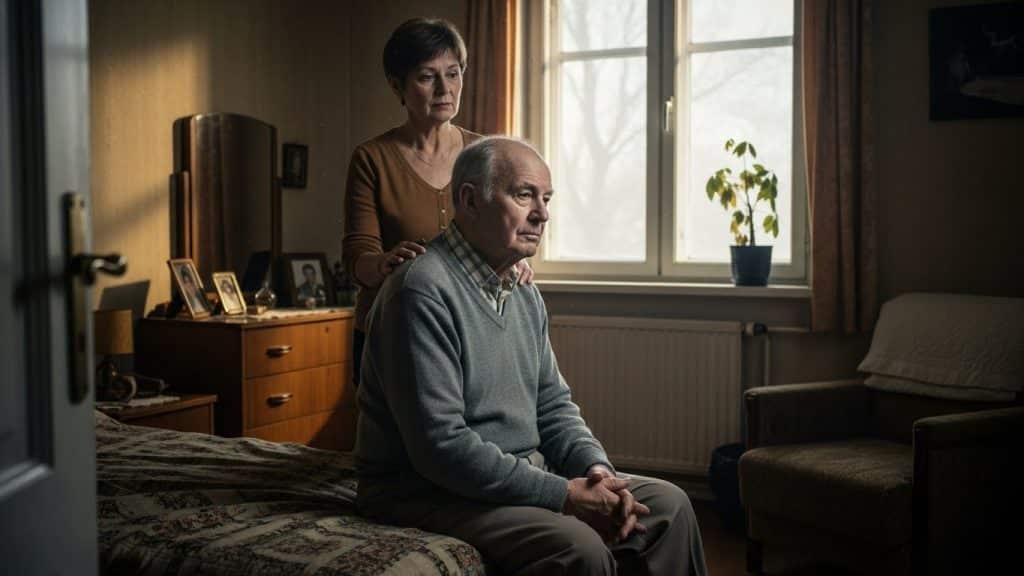
When someone you love is diagnosed with dementia, it’s natural to want answers — but one of the hardest battles families often face isn’t only medical, it’s social. A major new analysis from the 2024 World Alzheimer Report, prepared in partnership with the London School of Economics and Alzheimer’s Disease International (ADI), reveals that misconceptions and stigma around dementia are still widespread — and in many cases getting worse.
Active Ageing: Why ‘Moving More’ is the Best Investment for Later Life

We often hear that “age is just a number,” but as the years tick by, maintaining our physical health becomes less about aesthetics and more about independence. For many older adults, the prospect of “exercise” can feel daunting—perhaps even unnecessary.
Prioritising the Mind: A Guide to Supporting Elderly Mental Health

When we think about caring for our ageing loved ones, our minds often jump straight to physical health—managing prescriptions, preventing falls, or ensuring they are eating well. However, mental well-being is just as vital to a person’s quality of life as their physical fitness.
Moving From Resistance to Resilience: How to Help a Loved One Accept Care

One of the most difficult hurdles in the “sandwich generation” is the moment you realise your parents need help, but they aren’t ready to admit it.
When a older person refuses support, it’s rarely about being stubborn. It’s usually about fear: fear of losing their home, their privacy, and their identity. If you are stuck in a cycle of arguments, it’s time to change your strategy. Here is a step-by-step guide to helping a reluctant older person accept support while keeping their dignity intact.
Keeping People Safe in Cold Weather
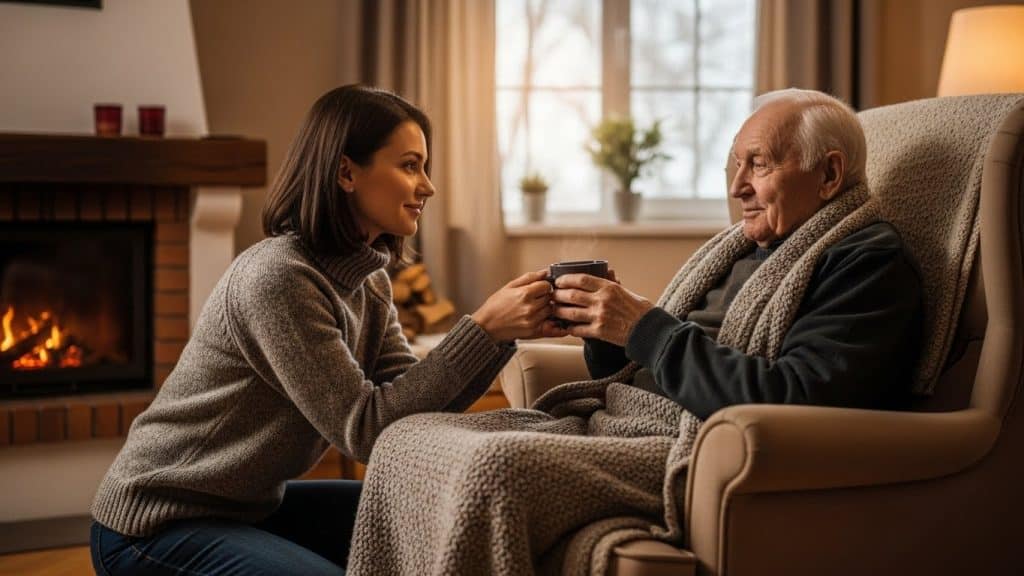
Cold weather presents real risks for older people, those with health vulnerabilities, and individuals receiving care at home. A thoughtful, proactive approach can significantly reduce these risks and ensure warmth, comfort, and wellbeing.
Meaningful Engagements for Carers and Those Living with Dementia

Engaging in purposeful activities can significantly enhance the well-being of individuals living with dementia, as well as the carers who support them. Choosing the right activities—ones that speak to the person’s interests and abilities—can create joyful, shared experiences and foster connections.