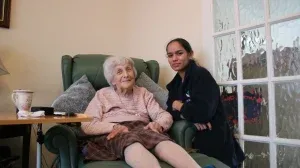

Everyone deserves to feel comfortable, respected, and supported during the final stages of their life. For many people, receiving end-of-life care at home means being able to remain in familiar surroundings, close to loved ones and the things that bring them comfort.
But what should compassionate end-of-life care actually involve? The One Chance to Get It Right report, published by the Leadership Alliance for the Care of Dying People in 2014, establishes five recognised priorities to help guide professionals in delivering dignified, person-centred care.
What Are the 5 Priorities of End of Life Care?
Providing care for someone who may be in their final days or hours of life requires compassion, understanding, and respect for their individual wishes. In 2014, the Leadership Alliance for the Care of Dying People published One Chance to Get It Right, a report that outlined five priorities for the care of people who are approaching the end of life. These priorities provide guidance for healthcare professionals and care teams, helping ensure that people receive appropriate, compassionate and personalised care during this important time.
At the core of these priorities is the need to recognise each person as an individual, preserving their dignity and respecting their choices wherever possible. Clear, sensitive communication is equally important, helping people understand what is happening and allowing them to express their wishes, concerns and preferences. Where appropriate, family members, friends and other loved ones should also be involved, with the person’s consent, so they can offer support and be part of important conversations.
These priorities apply across all care settings, including hospitals, hospices and people’s own homes. Regardless of where someone receives care, the aim is to make sure they are listened to, treated with compassion and supported in a dignified manner.
Understanding the five priorities can help care professionals and families recognise what good end-of-life care should look like and how they can work together to provide it.
Priority 1: Recognising When Someone May Be Dying
Recognising when someone may be approaching the final days or hours of life is an important first step in providing appropriate end-of-life care. Changes in a person’s health, symptoms, or overall condition should be assessed by qualified healthcare professionals to help determine their needs and the support required.
Early recognition allows care teams to plan, manage symptoms, and ensure the person and their loved ones receive appropriate care and emotional support. However, it is not always possible to predict exactly when someone is nearing the end of life. Any uncertainty should be acknowledged, with decisions and care plans reviewed as the person’s condition changes.
Priority 2: Communicating Sensitively and Honestly
Open, honest and compassionate communication helps people approaching the end of life feel informed, respected and supported. Healthcare professionals should share information sensitively, using clear language that the person and their loved ones can understand.
Individuals and family members should feel comfortable asking questions, sharing concerns and discussing what matters most to them. Listening carefully to their wishes, preferences and feelings helps ensure that care decisions are made with dignity, understanding and respect for the person’s needs.
Priority 3: Involving Individuals in Decisions About Their Care
People approaching the end of life should be involved in decisions about their care and treatment as much as they wish and are able. Their personal choices, beliefs, and preferences should be respected, helping them maintain a sense of control during a difficult time.
Advance care planning allows individuals to discuss their wishes ahead of time, including their preferred place of care, whether at home, in a hospice, or in a hospital. By tailoring care to each person’s needs and priorities, care professionals can help preserve their dignity, independence and quality of life.
Priority 4: Supporting Families and Loved Ones
Supporting someone approaching the end of life can be emotionally and practically challenging for families and loved ones. Keeping them informed, offering reassurance and giving them opportunities to ask questions can help them feel more prepared. Where appropriate and in line with the individual’s wishes, loved ones should be included in discussions about care and important decisions.
Professional home carers can also provide valuable support, helping with daily care needs and offering families some time to rest and focus on being with their loved one. For families considering additional support at home, understanding the available care options and associated costs can help them plan.
Read our guide to paying for care to learn more about funding care and the options available.
Priority 5: Creating an Individualised Care Plan
Everyone approaching the end of life should receive care that reflects their individual needs, wishes and preferences. A personalised care plan considers physical comfort, symptom management, personal care, emotional wellbeing, social connections and spiritual needs. Maintaining familiar routines and surroundings can also help people feel more comfortable and at ease.
As a person’s condition changes, their care plan should be reviewed regularly to ensure the right support remains in place. Home carers, GPs, district nurses and palliative care professionals can work together to provide coordinated care. Where appropriate, additional support such as live-in care can offer continuity and help people remain in familiar surroundings, with care tailored to their needs.
Reliable care arrangements are essential as a person’s needs change. For home care providers requiring additional support, IntroEase helps connect them with independent live-in carers, including those who can provide overnight live-in care where needed. This can help providers arrange appropriate support while maintaining continuity of care for people who wish to remain in their own homes.
End of Life Care at Home: What to Expect
End-of-life care at home aims to help people remain comfortable in familiar surroundings while receiving support that respects their wishes. As needs change, individuals may require more assistance with personal care, mobility, meals and everyday activities. Families should be prepared for care arrangements to adapt over time.
Healthcare professionals, such as GPs, district nurses and palliative care teams, play an important role in managing symptoms and providing clinical support. Visiting carers or live-in carers can complement this care by helping with daily routines and offering practical support to families. With the right arrangements in place, care can remain flexible, compassionate and centred on what matters most to the individual.
Compassionate End of Life Support with At Home Care
The five priorities of end-of-life care provide an important foundation for ensuring people are treated with dignity, compassion and respect. By recognising changing needs, communicating openly, respecting personal choices, supporting loved ones and creating individualised care plans, care professionals can help make this stage of life as comfortable and meaningful as possible.
At Home Care takes a person-centred approach to supporting individuals in their own homes, helping them maintain familiar routines, comfort and independence wherever possible. Our home care services across Hertfordshire, Buckinghamshire and Bedfordshire are tailored to each person’s needs, working alongside families and healthcare professionals to provide appropriate support.
If you are considering end-of-life care at home for yourself or a loved one, we’re here to listen, support and discuss your circumstances.
Contact our team to explore the available support and find out how we may be able to help.
End of Life Care FAQs
What are the 5 priorities of end of life care?
The five priorities are recognising when someone may be dying, communicating sensitively and honestly, involving them in care decisions, supporting loved ones, and creating an individualised care plan.
What should families expect from end-of-life care at home?
Families can expect tailored support with personal care, mobility and daily activities, alongside help from healthcare professionals to manage symptoms and maintain comfort.
What is the difference between palliative care and end-of-life care?
Palliative care focuses on relieving symptoms and improving quality of life at any stage of a serious illness. End-of-life care supports people approaching the final stage of life.
Who provides end-of-life care at home?
Care may involve GPs, district nurses, palliative care teams, professional home carers and family members, working together to meet the person’s needs.
Can someone receive 24-hour end-of-life care at home?
Yes, depending on their needs and available services. Visiting carers or live-in carers can provide support, with healthcare professionals involved in managing clinical needs.
How much does end of life care at home cost?
Costs depend on the hours of care, level of support and whether overnight or live-in care is needed. Contact care providers to discuss pricing and explore potential funding options
As well as palliative and end-of-life care, our highly trained and compassionate team of care professionals supports individuals with a wide range of specialist care needs and conditions, including:
- Dementia and Alzheimer’s care
- Parkinson’s support
- Stroke recovery
- Learning disabilities
- Palliative and end-of-life care
- Mental health support